Safely Moving Antiques from Woodford Terraced Homes
Moving antiques is one of those jobs that looks straightforward right up until you are standing in a narrow Woodford hallway with a fragile mirror, a wobbling sideboard, and a staircase that seems to have shrunk overnight. If you are safely moving antiques from Woodford terraced homes, the challenge is not just the weight of the item. It is the age, the finish, the awkward angles, the tight front rooms, and the worry of one small slip turning into a big regret. Truth be told, that feeling is completely normal.
This guide breaks the process down in plain English. You will learn how to assess your antiques, prepare them properly, move them through terraced-house pinch points, and decide when to bring in specialist help. We will also look at common mistakes, practical tools, and a few local realities that matter in Woodford, where stairs, doorways, and parking can make even a short move feel like a proper operation.
If you want a fuller picture of wider moving prep, it can help to skim practical advice on packing efficiency for your next house move and decluttering before you move, because antiques are easier to handle when the rest of the house is not in the way. Small win, but a real one.
Why Safely Moving Antiques from Woodford Terraced Homes Matters
Antiques are not like standard furniture. They often have older joints, delicate veneers, hand-finished surfaces, and materials that react badly to pressure, moisture, or sudden movement. A Victorian chest of drawers might survive a century in a sitting room, then pick up a crack because someone lifted it by the wrong edge. A dining chair may look solid, but one weakened rail can fail without warning. That is why careful handling is not overcautious. It is sensible.
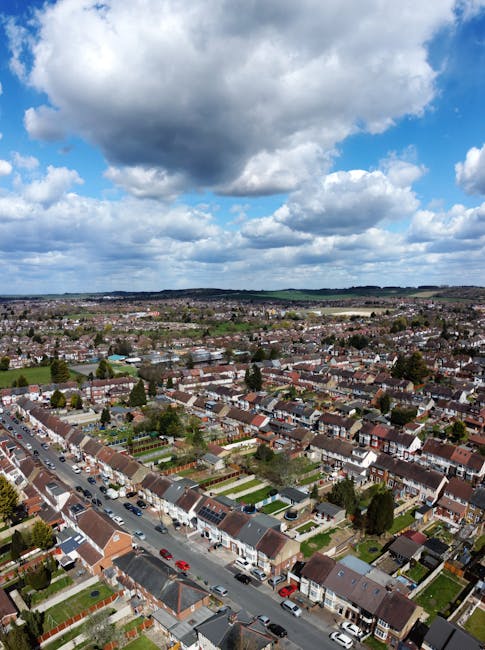
Woodford terraced homes bring their own complications. Many have narrow hallways, compact landings, awkward turns, and front rooms that are just a little too snug for comfortable manoeuvring. Add old floorboards, uneven steps, or a tight front path, and the margin for error gets slim. This is where a planned method matters more than brute strength. In fact, brute strength is often the problem.
There is also the emotional side. Antiques are rarely just "items". They are inherited pieces, investments, or the one thing in the house that has been passed down through generations. People often underestimate how stressful it feels to move them until the moment comes. Once the piece is scratched, it is not just money you lose. It is the sense that something irreplaceable has been handled carelessly.
Expert summary: The safest antique move is usually the slowest one: measure first, protect surfaces properly, reduce handling, and avoid forcing anything through a space that is too tight. If it feels awkward before you start, it will usually feel worse halfway through.
How Safely Moving Antiques from Woodford Terraced Homes Works
The process is less about lifting and more about sequence. First you identify what you are moving and how fragile each piece is. Then you decide whether it can be moved intact, partially dismantled, or professionally packed for transport. After that comes route planning: front door, hallway, stairs, landing, vehicle access, and final room placement. Each step should be thought through before anyone starts carrying anything.
In a terraced property, the route matters almost as much as the item itself. A bulky cabinet may fit through the front room doorway but catch on the stair turn. A tall mirror may pass the hall but become risky at the landing ceiling. These are the moments where patience saves damage. Measure the widest points. Check door handles, light fittings, and radiators. Move floor lamps, plants, baskets, and anything else that creates an unplanned obstacle.
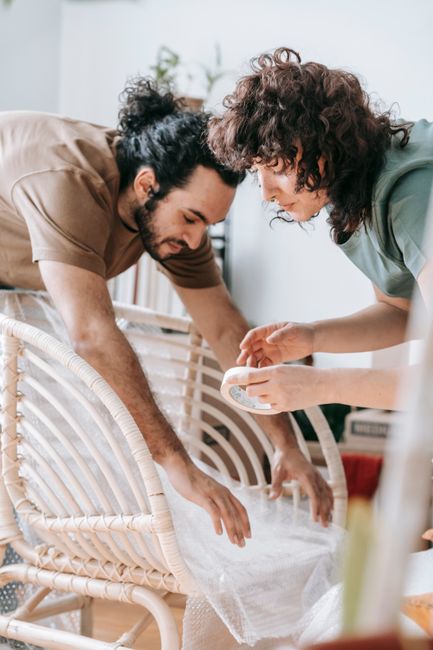
Good preparation also means packaging the antiques correctly. You want soft, clean materials that stop scratches and reduce vibration. Think acid-free paper for delicate finishes, padded wraps for corners, and strong outer protection for transport. If an item has loose glass or a detachable top, secure it separately. If a leg can be removed safely, do that. But do not dismantle old furniture just for the sake of it; if a joint resists, forcing it can make a bad day worse.
For especially valuable or sentimental pieces, specialist handling is often the better route. That is the same logic behind moving a piano carefully rather than treating it like any other heavy object; there is a reason specialist guides such as the safe way to move a piano focus so heavily on planning and protection. Different object, same principle: respect the build, respect the weight, and respect the route.
Key Benefits and Practical Advantages
A careful antique move pays off in ways that are not always visible on the day. The obvious benefit is reduced risk of chips, cracks, broken joints, and surface wear. But there are other advantages too. You save time by avoiding improvised fixes. You reduce stress because the plan is clear. And you lower the chance of an awkward last-minute scramble when a piece does not fit where you hoped it would.
- Better protection: antiques are shielded from scratches, knocks, and corner damage.
- Lower handling risk: fewer lifts and fewer transfers mean fewer opportunities for accidents.
- More control in tight spaces: terraced-house turns and staircases become manageable rather than chaotic.
- Cleaner arrival: wrapping and route planning reduce dust, scuffs, and accidental marks on walls.
- Less stress for everyone: the move feels organised instead of improvised, and that matters more than people think.
There is a practical money angle as well. Repairing antique damage can be expensive, and not every issue can be repaired invisibly. A bad scrape across a polished cabinet, for example, may need specialist restoration. Even then, the result may never quite look the same. That is why prevention is not just easier. It is usually cheaper.
One more benefit that gets overlooked: a structured move makes insurance conversations easier if anything ever needs to be discussed. If you have photographs, inventory notes, and a sensible handling plan, you are in a much stronger position than if the piece was bundled into a van with no record at all.
Who This Is For and When It Makes Sense
This approach makes sense for anyone moving antiques, but it is especially useful if you are dealing with older homes, family heirlooms, fragile finishes, or pieces with unusual dimensions. In Woodford terraced homes, that often means people moving inherited furniture from an upstairs bedroom, collectors shifting smaller items between properties, or homeowners clearing a dining room before renovations. Sometimes the house itself is the issue. Sometimes the piece is. Usually it is both.
You will find this guide most helpful if you are:
- moving a single valuable item rather than a full house of furniture
- preparing for a house sale or renovation
- handling inherited or sentimental pieces
- moving antiques out of a terraced property with narrow stairs
- choosing between self-move and professional help
- storing antiques temporarily before the next address is ready
It also helps if your antiques include mixed materials. Glass-front cabinets, marble-topped tables, veneer surfaces, cane work, and older fabrics all need slightly different handling. A one-size-fits-all approach is rarely the answer. To be fair, that is true for most moving problems, but with antiques the margin is tighter.
If you are already planning a broader move, reading about how to eliminate stress from your house moving journey can help you line up the antique move with the rest of the day, instead of treating it as a bolt-on panic task.
Step-by-Step Guidance
1. Identify every antique and note its vulnerabilities
Walk through the property and list what needs moving. Photograph each piece from a few angles, especially any existing wear, chips, or loose joints. This is not about being precious; it is about knowing what was already there before the move. For glazed items, check whether the glass is loose. For tables and chairs, check wobble. For cabinets, look at doors, shelves, and decorative trim.
2. Measure the item and the route
Measure the height, width, and depth of the antique. Then measure doorways, hallways, stair widths, and any awkward turns. In terraced homes, the widest part is not always the door. Sometimes it is the handrail, stair turn, or the angle created by a small landing. If you have to guess, do not. Guessing and antiques do not get along.
3. Clear the move path
Remove rugs, loose mats, ornaments, wall art, and anything that could snag or get knocked. Protect corners and wall edges with blankets or padded guards if needed. Keep children and pets elsewhere while the move is happening. A cat darting underfoot has a way of making a calm plan evaporate very quickly.
4. Prepare packing materials
Use clean packing paper, soft blankets, bubble wrap where suitable, and sturdy boxes for smaller loose parts. Avoid wrapping delicate finishes directly in rough or dirty materials. If an item has a highly polished surface, make sure the layer touching it is soft and non-abrasive. For mirrors and glass, use proper board protection and mark the package clearly.
5. Remove detachable parts
Take out drawers, shelves, loose feet, and removable tops if they can be removed safely. Bag screws and small fittings together and label them. A simple handwritten note taped to the bag saves a lot of faffing later. It really does. If the item is old or delicate, do not force separation; get guidance first.
6. Wrap and protect
Protect corners first, then the main surfaces. Wrap each item snugly but not so tightly that pressure marks appear. For antiques, tight wrapping is not always safer. The aim is cushioning and stability, not compression. Use extra padding on carved areas, handles, and protruding legs.
7. Lift with a controlled plan
Use two people where possible, and agree on the lifting route before the object is moved. Communicate clearly: "up," "pause," "turn," "stop." Slow is safer than fast. If the piece is too awkward, use lifting straps or a trolley where appropriate, but only if the shape allows it. Some antiques are simply better carried by hand than risked on a cart.
8. Load the vehicle correctly
Place the heaviest, most stable items first and keep fragile pieces away from shifting loads. Prevent movement inside the van with blankets, straps, and sensible spacing. A box of books sliding into a veneered cabinet is a bad little surprise nobody needs. If the route to the vehicle is tight, it may help to think about broader moving access planning too; advice on best routes for heavy removals via Woodford High Road is useful when larger items need a careful path through the local area.
9. Unload and place with the same care
At the destination, unpack slowly and place items on a clean, level surface. Do not rush assembly. Let the piece settle, inspect it, and check that all parts are present before you move on. It is much easier to solve a problem at the door than after everyone has gone home.
Expert Tips for Better Results
A few small habits make a disproportionately big difference. Start with the simplest one: never carry an antique by a decorative handle, top rail, or fragile extension piece. Carry from the strongest structural points. It sounds obvious, yet this is where many damage claims start.
Another good habit is to work in good light. Daylight helps you see finish marks, hairline cracks, and awkward floor levels. If you are moving early in the morning or late afternoon, use strong indoor lighting. In a dim hallway, an edge that looked obvious five minutes ago can suddenly disappear. Happens more than people admit.
Use clean gloves for highly polished or very old finishes if the surface is sensitive, but be sensible about grip. If gloves make the item harder to hold, that can create a different risk. Sometimes dry, clean hands are better. Judgment matters more than rules in a vacuum.
If storage is part of the plan, make sure you are storing antiques in a dry, stable environment. Avoid damp basements and temperature swings where possible. The same sort of care applies when storing soft furnishings; for a broader example of protecting household items over time, practical long-term care and storage advice can be surprisingly relevant, especially around clean wrapping and air circulation.
Finally, take breaks. That sounds almost too simple, but moving antiques while tired is when mistakes sneak in. A five-minute pause can be the difference between a careful turn and a scraped edge. No drama, just reality.
Common Mistakes to Avoid
Most antique damage during moves comes from a handful of predictable mistakes. The first is failing to measure properly. If a piece does not fit, forcing it through is usually the moment things go wrong. The second is underestimating weight distribution. Many antiques feel lighter at one end than the other, which creates a tipping point when you least expect it.
- Skipping measurements: never assume a piece will fit through a doorway or landing.
- Using the wrong packing material: rough fabrics, dirty blankets, or hard tape can mark finishes.
- Over-wrapping delicate surfaces: too much compression can be as problematic as too little protection.
- Ignoring hidden weakness: old joints, cracked veneers, or loose glass need attention before the move starts.
- Carrying without a route plan: improvising on stairs is where panic and damage meet.
- Mixing antiques with loose heavy items: a single shifting box can cause a lot of harm.
Another mistake is trying to "save time" by moving too quickly. It is understandable. Moving day feels expensive in energy. But antiques punish haste. If a turn looks awkward, stop and reset. If a lift feels off, lower it and rethink. You are not being slow for the sake of it. You are being careful because the object deserves it.
Tools, Resources and Recommendations
You do not need a shed full of specialist gear to move antiques safely, but a few items are worth having on hand. Clean moving blankets, furniture straps, corner protectors, label tape, soft packing paper, and a good torch all earn their keep. A measuring tape is probably the most underrated tool in the entire process. Unromantic, yes. Useful, absolutely.
| Tool or Resource | What it helps with | Best used for |
|---|---|---|
| Moving blankets | Cushioning and scratch protection | Cabinets, tables, frames, and carved furniture |
| Corner protectors | Reducing edge knocks | Mirrors, tabletops, and painted corners |
| Packing paper | Wrapping delicate surfaces cleanly | Glass, ornaments, and decorative pieces |
| Furniture straps | Controlled lifting and carrying | Heavy but stable antiques |
| Measuring tape | Checking fit and route clearance | Doorways, stairs, and awkward corners |
| Labels and bags | Keeping small fittings together | Drawers, screws, shelves, and removable parts |
If you are sorting the whole house as part of the same project, packing and boxes in Woodford can be useful to keep the broader move organised. And if you are unsure whether to do everything yourself, it is worth looking at the practical difference between a lighter self-managed move and a fuller removal service. Not every job needs a large team, but not every antique should be left to guesswork either.
For some homes, especially with multiple heavy or awkward items, a man and van service in Woodford is a sensible middle ground. For others, a more tailored approach through removal services in Woodford may be the calmer option.
Law, Compliance, Standards, or Best Practice
Antique moving is not usually about complicated legal rules, but it does sit within a wider duty of care. If you hire help, you should expect careful handling, clear communication, and a sensible approach to health and safety. In the UK, that generally means workers should use safe lifting practices, avoid preventable strain, and manage equipment in a way that reduces risk to property and people.
Best practice also includes honest description. If a piece is fragile, valuable, or unusually heavy, it should be flagged early. If access is tight, that should be discussed before the move. Understating the challenge helps nobody. A van arriving without the right plan can create more risk than it removes.
Insurance is another practical point. Ask how items are covered and what information is needed if something goes wrong. Keep your own records too: photos, item notes, and approximate values where relevant. That is not paperwork for paperwork's sake. It is the difference between a vague memory and a clear account.
There are also ethical expectations around care and transparency. If you are choosing a mover, look for clear terms, sensible communication, and a proper complaints process. You do not need bells and whistles. You need professionalism. The sort that turns up, listens, and treats a family heirloom like it matters.
Options, Methods, or Comparison Table
There are usually three ways people approach antique moves: do it all themselves, hire a small team with a van, or bring in a more specialist moving service. The right choice depends on access, item value, and your confidence with handling. Here is a simple comparison.
| Method | Best for | Pros | Watch-outs |
|---|---|---|---|
| DIY move | Small, robust, low-value pieces | Lower upfront cost, full control | Higher injury risk, more chance of damage, harder in tight terraced spaces |
| Man and van | Single items or a few fragile pieces | Flexible, practical, often cost-effective | Needs clear instructions and careful packing from you |
| Specialist removals | High-value, awkward, or very delicate antiques | More support, better handling, less stress | Usually higher cost, may require more lead time |
For many Woodford homes, the middle option works well. A small move with a capable team can reduce the physical strain without overcomplicating the job. If the property has stairs, narrow access, or more than one significant antique, going too light on support can be a false economy. And if the move is urgent, perhaps because timings have shifted or you need the job done quickly, it may be worth reading about fast removals in Woodford when times are short so you can see how urgent planning changes the approach.
Case Study or Real-World Example
A typical situation goes like this. A couple in a Woodford terraced house needed to move a narrow Georgian-style console table, two framed mirrors, and a small mahogany cabinet inherited from a relative. The table looked manageable at first glance, but the hallway turned sharply near the stairs. One mirror had fragile backing, and the cabinet had old drawer runners that shifted if tilted too far.
Instead of trying to move everything in one go, they took a measured approach. First they cleared the hallway and staircase. Then they removed the drawers, labelled the fittings, and wrapped each item separately. The mirrors were protected flat, not propped loosely. They measured the landing twice because the first look was deceiving. It often is in terraced homes.
The result? No scratches, no panic, and no "we'll just lift it and hope" moments. The most helpful part was not the gear. It was the discipline. The move felt slower than expected, but smoother than expected too. That is usually how good antique handling works. A little boring, honestly. Which is exactly what you want on the day.
Practical Checklist
- Photograph each antique before moving it
- Measure the item and every key access point
- Clear the route through the house
- Protect corners, glass, and delicate finishes
- Remove loose parts and label hardware
- Use clean, soft packing materials only
- Plan the lift before anyone lifts anything
- Keep heavy and fragile items separated
- Secure the load in the vehicle so it cannot shift
- Inspect each antique again after unloading
- Store pieces in a dry, stable environment if needed
- Keep a record of any existing marks or wear
Quick reminder: if a piece feels too awkward to move safely, that is not a failure. It is useful information. Use it.
For support with larger home moves around the area, house removals in Woodford and furniture removals in Woodford are relevant if your antiques are part of a wider relocation rather than a one-off item transfer.
Conclusion
Safely moving antiques from Woodford terraced homes comes down to planning, patience, and respect for the items in front of you. Measure carefully. Protect properly. Carry slowly. And do not let the layout of a narrow hallway pressure you into a rushed decision. A well-handled antique move is rarely dramatic, but that is the point. Nothing breaks, nothing scrapes, and nothing gets left to chance.
If you are facing a move with fragile heirlooms, awkward stairs, or a few too many "this should fit, surely" moments, treat the job as its own small project. A calm approach is not only safer; it is kinder to the things that matter most. And let's face it, there is enough chaos in moving without adding a broken century-old table to the mix.
Get a free quote today and see how much you can save.
Frequently Asked Questions
What is the safest way to move antiques from a terraced house?
The safest method is to measure everything first, protect fragile surfaces with soft packing materials, clear the route, and move slowly with enough help for the weight and shape involved. In terraced houses, stair turns and narrow hallways are often the biggest risk points.
Should antiques be wrapped in bubble wrap?
Sometimes, but not directly against delicate finishes. Bubble wrap can be useful as an outer protective layer, but the item should usually be wrapped first in a softer, non-abrasive material. Older polished wood and painted surfaces can mark if the wrong material touches them.
Can I move antique furniture by myself?
You can move very small, light, and robust pieces yourself, but many antiques are awkward, fragile, or heavier than they look. If the item has value, sentimental importance, or a difficult route out of the house, getting help is usually the smarter call.
How do I know if an antique needs specialist help?
If the item has glass, marble, loose joints, fragile veneer, carved detail, or a shape that makes lifting awkward, specialist help is worth considering. The same applies if your terraced home has tight stairs, limited access, or limited space for turning.
What should I remove before moving an antique cabinet?
Remove drawers, shelves, loose fittings, and any detachable top sections if they can be taken off safely. Keep screws, labels, and fittings together in clearly marked bags so reassembly is straightforward later.
How do I protect antique wood from scratches during a move?
Use clean moving blankets or soft padding, keep hard objects away from the surface, and avoid dragging the piece across floors or door frames. Protection is best when it is snug but not tight enough to press into the finish.
Is it better to move antiques in daylight?
Yes, when possible. Good light helps you spot floor edges, doorway corners, loose parts, and existing damage before anything is lifted. Early evening moves can work, but poor light makes careful handling much harder than it needs to be.
What if an antique does not fit through the stairway?
Stop and reassess rather than forcing it. Sometimes the answer is partial dismantling, sometimes a different route, and sometimes a specialist lift or team is needed. Forcing a tight fit is how most avoidable damage happens.
Do I need to tell movers that the item is valuable?
Yes. Be clear about value, fragility, and any existing damage. Good movers need that information to plan the job properly, choose the right packing, and decide how many people or what equipment may be needed.
How should antiques be stored after the move?
Keep them in a dry, stable environment away from damp, direct heat, and sudden temperature changes. Cover them lightly and avoid stacking heavy items on top. If storage is temporary, check them occasionally rather than leaving them forgotten.
Are terraced homes harder than flats for antique moves?
They can be, yes, because staircases, landings, and front access can all be awkward. Flats can have their own issues too, but terraced homes often combine narrow internal routes with limited outside manoeuvring space.
How far in advance should I plan an antique move?
Ideally, give yourself enough time to measure the route, gather materials, and decide whether help is needed. Even a short local move benefits from planning a day or two ahead, though urgent situations can still be handled with the right approach.
What is the biggest mistake people make with antiques on moving day?
Rushing. People often think they can save time by carrying a piece just once, but that usually creates a higher chance of damage. A slower, more deliberate move is usually faster in the long run because it avoids mistakes and rework.
If you are comparing move support options, you may also want to look at removals in Woodford and insurance and safety information to better understand what level of protection and support feels right for your situation.