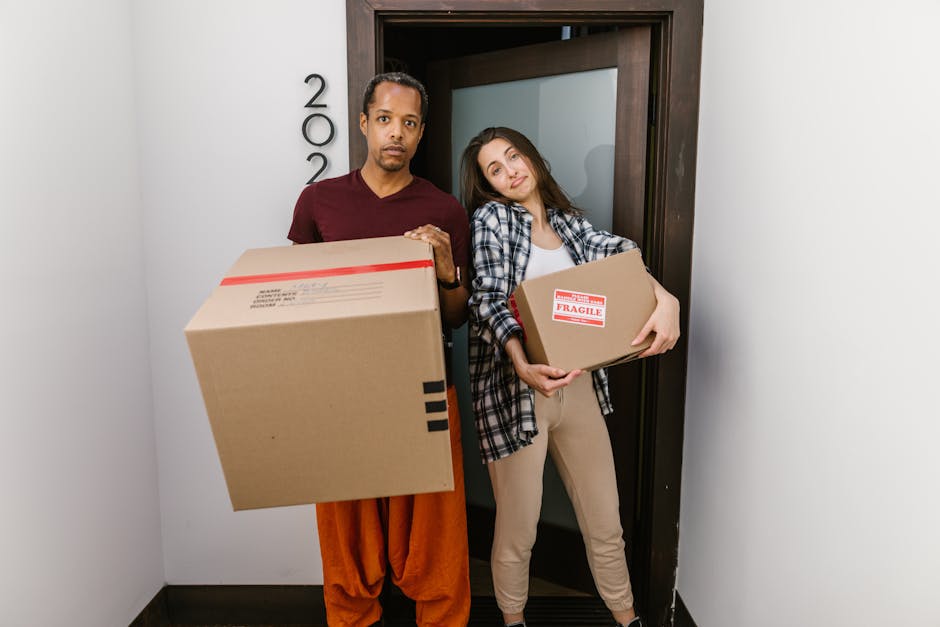
Packing Tips for Flats on Chingford Road, Woodford
Moving out of a flat on Chingford Road, Woodford can feel straightforward right up until the boxes start multiplying in the hallway. Then the narrow stairs, the awkward corners, the fragile bits, and the "where did I put the kettle?" moment all arrive at once. Good packing is what keeps a flat move calm, or at least calmer than the usual moving-day chaos. These packing tips for flats on Chingford Road, Woodford are designed for real homes, real access issues, and the kind of everyday clutter that never looks like much until you have to move it.
Whether you are moving to another flat nearby, upgrading to a bigger place, or just trying to get everything out without damaging walls, furniture, or your sanity, the basics stay the same: plan early, pack room by room, protect awkward items properly, and keep your essentials separate. Simple enough in theory. A bit less simple when you are standing in a kitchen at 9pm with half a roll of tape left and a pile of mugs that all need wrapping.
This guide breaks the process down into sensible steps, with local moving realities in mind. You will also find links to useful related resources, from flat removals in Woodford and packing materials and boxes in Woodford to more general advice on maximising packing efficiency and decluttering before you move.
Table of Contents
- Why Packing Tips for Flats on Chingford Road, Woodford Matters
- How Packing Tips for Flats on Chingford Road, Woodford Works
- Key Benefits and Practical Advantages
- Who This Is For and When It Makes Sense
- Step-by-Step Guidance
- Expert Tips for Better Results
- Common Mistakes to Avoid
- Tools, Resources and Recommendations
- Law, Compliance, Standards, or Best Practice
- Options, Methods, or Comparison Table
- Case Study or Real-World Example
- Practical Checklist
- Conclusion
- Frequently Asked Questions
Why Packing Tips for Flats on Chingford Road, Woodford Matters
Flat moves are not the same as house moves. That sounds obvious, but people still pack them as if they are. In a flat, you are usually working with tighter corridors, shared entrances, stairwells, lifts that may be small or busy, and neighbours who may not love a day of banging, scraping, and double parking. Chingford Road has plenty of everyday residential movement, so timing and organisation matter more than people think.
Packing well matters because it reduces friction at every stage. If a box is too heavy, it slows down the carry. If fragile items are mixed in with books, they are more likely to break. If each room is packed randomly, unpacking becomes a mess that follows you into the new place. And in flats, where space is usually limited, even a small mistake can have a knock-on effect. One overfilled box can slow the entire hallway. One unlabelled bag can create a ten-minute hunt for the phone charger. That sort of thing adds up.
There is also the practical side of protecting shared spaces. Most leaseholders and tenants want to avoid damage to walls, doors, lifts, and flooring. Careful packing helps because well-sealed, size-appropriate boxes are easier to carry safely. It also helps if you are using a man and van service in Woodford or a smaller removal van that needs efficient loading. Less faff, less damage, less stress.
How Packing Tips for Flats on Chingford Road, Woodford Works
At its core, good packing is a system. You are not just putting things into boxes; you are preparing your belongings for movement, stacking, lifting, transport, and unpacking. In a flat, that system needs to be more disciplined because space is tighter and access can be less forgiving. The process usually works best in four stages: sort, pack, label, and stage.
Sort first. Decide what is going, what is being donated, what needs storage, and what should travel separately. If you are still deciding on items that have not been used in a year, have a look at our guide on decluttering prior to moving for a fresh start. It helps reduce volume before the packing even begins.
Pack by room and by weight. Heavier items belong in smaller boxes. Lighter, bulky items can go into larger boxes. Fragile pieces need cushioning and a bit of patience. Honestly, patience is half the job.
Label clearly, not vaguely. "Kitchen" is okay, but "Kitchen - mugs, plates, kettle lead" is better. That small detail makes the first evening in your new flat much less annoying.
Stage boxes in a way that suits the move. Put the most needed items together, keep walkways clear, and build a loading area near the door if possible. If you are booking flat removals in Woodford, this makes the loading process smoother and usually quicker too.
Truth be told, most packing problems come from skipping one of those four steps. Not from the packing itself. From the gap in the system.
Key Benefits and Practical Advantages
Good packing gives you more than neat boxes. It changes the whole tone of moving day. Instead of feeling like you are constantly reacting to problems, you are already one step ahead.
- Less breakage: careful cushioning and weight distribution protect glassware, plates, electronics, and ornaments.
- Faster loading: boxes that are properly packed are easier to stack in a man with a van in Woodford or a larger removal vehicle.
- Better use of space: flats often have limited storage, so tidy packing helps you manage every square metre.
- Lower stress: knowing where things are reduces that "we must have lost it" panic. We have all been there.
- Safer lifting: balanced boxes are easier to carry, especially on stairs.
- Cleaner unpacking: when boxes are grouped by room, your new place settles in much faster.
There is also a hidden benefit: better packing makes it easier to spot what you actually own. That can be oddly useful. A move has a habit of showing you the kitchen gadgets you forgot existed and the three spare extension leads you definitely do not need.
For larger items, the right packing approach can save real trouble. If you are moving a sofa, mattress, or bulky furniture, it is worth reading about sofa care and storage and how to relocate a bed and mattress safely.
Who This Is For and When It Makes Sense
This advice is useful for almost anyone moving out of a flat on or near Chingford Road, but it especially helps if you are dealing with one of these situations:
- you live in a one- or two-bed flat with limited storage
- you are moving on a tight timetable
- your building has stairs, a narrow hallway, or a small lift
- you are moving valuable, breakable, or awkward items
- you are trying to keep removals costs under control by packing yourself
- you are a student moving between term-time homes
- you are combining a move with storage, renovation, or temporary relocation
If you are a student, the process can be even more compressed, especially when term dates, deadlines, and transport bookings all collide. In that case, the student removals Woodford service and related planning advice can be particularly helpful.
It also makes sense if you are moving only a short distance. People sometimes assume a local move needs less preparation, but local does not mean simple. Short distance just means the packing mistakes are often exposed faster. One bad box can still smash in the boot of a van, even if the new address is only ten minutes away.
Step-by-Step Guidance
1. Start with a room-by-room sort
Begin in the least-used room or cupboard, not the room you use every morning. That helps build momentum. Get rid of duplicates, obvious rubbish, and anything you no longer need. Separate donations, recycling, and sell-on items. If something is going into storage rather than the new flat, set it aside now. You will thank yourself later.
2. Gather the right packing supplies
You do not need a mountain of fancy gear, but you do need enough decent boxes, tape, wrapping paper, marker pens, and padding. A few wardrobe boxes can be handy for clothes, while smaller boxes are better for books and canned goods. If you need supplies, see the packing and boxes Woodford page for practical support.
3. Pack heavy items low and light items high
This sounds basic because it is basic, and basic is good. Place heavier items at the bottom of each box and fill lighter spaces with soft items like tea towels or wrapping paper. Never overfill a box just to "finish it". That is how handles rip and backs complain.
4. Protect fragile items properly
Wrap glasses, plates, mirrors, and decor individually. Use soft material between layers. For plates, pack them upright rather than flat if possible. Fill voids so nothing can shift. If you can hear things rattling when you lift the box, it is not ready.
5. Keep daily essentials separate
Prepare one clearly labelled essentials bag or box for the first 24 hours. Include chargers, toiletries, tea or coffee, basic cutlery, a change of clothes, medications, keys, and important documents. This one box can save a surprising amount of stress at the other end.
6. Label for the new flat, not just the old one
Write the destination room on each box, plus a short list of contents. For example: "Bedroom - bedding, lampshade, winter jumpers". That is much more useful than a mysterious note that says "misc". Everyone has one of those boxes. Nobody ever enjoys opening it.
7. Prepare furniture and awkward items separately
Disassemble what you can safely disassemble. Keep screws, bolts, and fittings in labelled bags taped to the matching item. For large furniture, look at furniture removals in Woodford if you would prefer help with the heavy lifting.
8. Create a load order before moving day
Think about which boxes need to go out first and which should stay near the door last. Heavy, sturdy boxes usually go in first in the van, with fragile and essential items loaded where they can be accessed carefully. If you are using a smaller vehicle, this becomes even more important. Efficient loading matters.
Expert Tips for Better Results
There are a few things seasoned movers tend to do that make a noticeable difference, especially in flats.
- Use smaller boxes for books: books get heavy very quickly, and a giant box full of hardbacks is a classic regret.
- Pack by unpacking priority: first-night boxes should be obvious and easy to reach.
- Leave a little breathing room: overstuffed boxes are harder to tape, carry, and stack.
- Photograph cable setups: before unplugging TVs, routers, and sound systems, take a quick picture. It saves guesswork later.
- Wrap liquids carefully: seal lids, bag items separately, and keep them upright. It sounds obvious, but leaks happen.
- Use towels and bedding as padding: they are already soft, so let them do some work.
- Protect edges and corners: tables, mirrors, and picture frames are often damaged on the corners, not the middle.
One local practical point: flats on busier residential streets often mean you do not want a long loading delay outside. Pack efficiently enough that everything can be moved in clear stages. It helps neighbours, it helps your movers, and it keeps the day moving. Small thing, but it matters.
If you are unsure about lifting or carrying safely, it is worth reading advice on lifting safely when moving solo and the broader guidance on safer lifting techniques. Not glamorous reading, granted, but useful.
Common Mistakes to Avoid
Most moving-day problems are not dramatic. They are small, avoidable errors that snowball.
- Using oversized boxes for heavy items: this is the fastest way to make a box uncarryable.
- Leaving packing until the night before: that usually leads to poor labelling, rushed decisions, and broken items.
- Mixing room contents: one box with kitchen bits, bathroom bits, and random cables is a headache later.
- Not separating valuables: keep passports, jewellery, keys, and documents with you.
- Underestimating stairways and turns: flats often have awkward routes that need compact, manageable boxes.
- Forgetting bin liners, tape, and markers: the tiny supplies disappear exactly when you need them.
- Skipping a pre-move clean: if you are leaving a rental, a proper clean matters. See how to tackle cleaning challenges before moving out for a more structured approach.
One mistake people make a lot is packing "by chance" rather than by system. If a box gets filled because it was nearby, rather than because the contents belong together, you create extra work on both ends. To be fair, it feels efficient in the moment. It rarely is.
Tools, Resources and Recommendations
You do not need specialist equipment for a flat move, but a few practical tools make life easier.
| Item | Why it helps | Best use |
|---|---|---|
| Small and medium boxes | Safer for weight control | Books, kitchenware, toiletries |
| Heavy-duty tape | Stops boxes opening in transit | Sealing all packed boxes |
| Marker pens | Fast, visible labelling | Room names and contents notes |
| Bubble wrap or paper | Cushions breakables | Glass, frames, decor |
| Furniture covers | Protects surfaces from scuffs | Sofas, mattresses, wardrobes |
| Zip bags | Keeps fixings together | Screws, plugs, remote controls |
| Stretch wrap | Holds drawers and doors shut | Cupboards, drawers, desk units |
Useful service pages and guides can support different parts of the move. For vehicle and service planning, see removal services in Woodford or the broader services overview. If your move needs to happen quickly, same-day removals in Woodford may also be relevant, depending on availability and timing.
If you need to store a few items before or after the move, storage in Woodford can be a sensible bridge between addresses. That is especially useful if your dates do not line up neatly, which, let's face it, happens quite a lot.
Law, Compliance, Standards, or Best Practice
For a domestic flat move, there is usually no special packing law you need to memorise, but there are still sensible standards and responsibilities to keep in mind. If you are renting, check your tenancy agreement and inventory carefully so you know what condition the flat should be left in. If you own the flat, building rules may still apply for lifts, loading bays, parking, or move times.
From a safety perspective, good practice matters. Boxes should be packed so they can be lifted without excessive strain. Sharp items should be secured. Flammable or hazardous materials should be handled cautiously and not casually mixed into general household boxes. If you are unsure about an item, treat it separately and check it before moving day.
Professional movers also tend to follow internal safety procedures around lifting, loading, and safe handling. If that matters to you, it is worth reviewing the company's health and safety policy and insurance and safety information. Those pages help set expectations and give you a better sense of how a move is managed.
There is also a practical compliance angle around privacy and payment. If you are sharing personal details or paying online, look at the relevant pages such as payment and security and terms and conditions. Not exciting, I know, but worth checking.
Options, Methods, or Comparison Table
Different packing methods suit different flat moves. There is no single best approach, but some methods are clearly better for certain situations.
| Method | Best for | Pros | Trade-offs |
|---|---|---|---|
| Room-by-room packing | Most flat moves | Easy unpacking, clearer organisation | Takes discipline to stay on track |
| Item-by-item packing | Fragile or valuable items | Better protection | Slower for larger homes |
| Priority-box packing | Fast moves | First-night essentials stay clear | Requires planning and label accuracy |
| Mixed-storage packing | Moves with temporary storage | Useful when dates do not align | Can become messy if not labelled properly |
For most flats on Chingford Road, a hybrid approach works best: room-by-room for general items, item-by-item for fragile pieces, and one priority box for each person. If you are moving bulky items or using storage, the process benefits from a little more structure. The basic rule is simple: the more awkward the item, the more carefully it should be separated.
Case Study or Real-World Example
Here is a realistic example from a typical flat move, without dressing it up too much. A couple moving from a two-bed flat near Chingford Road had a decent amount of kitchenware, a sofa, two mattresses, books, clothes, and a few breakables. Nothing extravagant. Just the usual collection of household stuff that somehow fills a flat from top to bottom.
They started packing five days early, beginning with books, guest-room items, and seasonal clothing. That gave them space to sort through duplicates and things they had been meaning to donate for months. Midway through, they realised the kitchen cupboard was full of oddly shaped items they never used. A pasta maker, three spare chopping boards, and too many mugs. Classic.
They used smaller boxes for books, wrapped glassware separately, and labelled each box with the room plus a short contents note. One box was set aside for essentials: kettle, mugs, charger leads, tea, toilet roll, snacks, and cleaning wipes. Sensible, really.
On moving day, the packed boxes were stacked close to the front door in the order they needed to go out. The movers could load quickly, the hallway stayed clear, and the couple had a much easier first night in the new flat. No frantic searching. No broken plates. No "where's the kettle?" drama. That is what good packing usually buys you: not perfection, just a smoother day.
And if they had needed to shift the sofa or other large items into temporary storage, a guide like safe storage for appliances would have been useful for the planning side as well.
Practical Checklist
Use this checklist a few days before the move. Keep it simple. No heroics.
- Declutter each room before packing
- Buy or collect enough small, medium, and sturdy boxes
- Gather tape, markers, wrapping paper, and bags
- Pack heavy items in small boxes only
- Wrap fragile items individually
- Label every box with room and contents
- Prepare an essentials box for the first night
- Keep documents, valuables, and keys with you
- Separate items for storage, donation, or recycling
- Take photos of cable setups before unplugging electronics
- Disassemble furniture only where safe and practical
- Confirm building access, parking, and move timing
- Review moving help, van size, and route details in advance
- Do a final walk-through of cupboards, shelves, and loft spaces
For a calmer move overall, it can also help to read how to eliminate stress from your house moving journey and ways to move from Woodford Green IG8 without the stress. The principles carry over nicely to local flat moves too.
Conclusion
Packing a flat on Chingford Road, Woodford does not need to be a battle. With a sensible plan, the right box sizes, clear labels, and a little respect for stairs, corners, and fragile things, the whole move becomes far more manageable. The key is not packing faster. It is packing smarter, so your belongings arrive safely and your first day in the new place feels like a fresh start rather than a recovery mission.
Focus on the basics: sort early, pack by room, protect breakables, and keep essentials close. If you do that, you are already ahead of most moving-day headaches. And if you want help with the practical side of the move, it is worth exploring local support options that fit your timeline and property type.
Get a free quote today and see how much you can save.
Moving house is rarely anyone's favourite hobby, but with the right preparation, it can still be a decent, controlled process. Sometimes that is enough. Sometimes it is exactly enough.
Frequently Asked Questions
What are the best packing tips for flats on Chingford Road, Woodford?
The best approach is to pack room by room, use smaller boxes for heavy items, protect fragile belongings carefully, and label everything clearly. In flats, space and access are usually tighter, so neat packing makes loading and unpacking much easier.
How early should I start packing before moving out of a flat?
Ideally, start with non-essential items at least one to two weeks before moving day. If you work long hours or have a lot of belongings, begin even earlier. Leaving packing until the last minute is where most problems begin.
What should go in an essentials box for a flat move?
Include chargers, toiletries, toilet roll, tea or coffee, mugs, basic cutlery, medications, keys, important documents, and a change of clothes. Keep this box separate so you do not have to search through every carton on the first night.
How do I pack fragile items safely?
Wrap each item individually, use plenty of cushioning, and fill empty spaces so nothing shifts. Plates are usually safer packed upright, and glasses should be padded well. If you can hear movement inside the box, add more protection.
Should I label boxes by room or by contents?
Both is best. Room labels help with unloading, while content notes make unpacking much quicker. For example, "Kitchen - pans, mugs, kettle lead" is much more useful than a simple room name alone.
What size boxes are best for flat moves?
Small and medium boxes are usually the safest choice because they prevent overloading. Large boxes are fine for lightweight items like bedding or cushions, but not for books, tins, or anything dense. Heavy boxes become awkward fast.
Can I use storage if my moving dates do not line up?
Yes, storage is often a practical solution when there is a gap between tenancies or completion dates. If you need that option, look at storage in Woodford and plan which items need to go into storage first.
How do I prepare bulky furniture before a flat move?
Remove loose parts, secure drawers or doors, and protect surfaces with covers or wrap. If the item is especially large, it may be worth getting help through furniture removals Woodford so it can be handled properly.
Is it worth using a man and van for a flat on Chingford Road?
For many flat moves, yes. A smaller vehicle can be a good fit if access is limited or you do not have a huge amount to move. The right service depends on your furniture, volume, and how much help you want with loading.
What packing mistakes cause the most damage during a move?
The biggest issues are overfilled boxes, poor padding, mixed contents, and weak tape. Heavy boxes also increase the risk of dropping or tearing. A little extra care on packing day usually prevents the worst damage.
Do I need to clean the flat before moving out?
Yes, especially if you are renting and want to leave the property in good condition. A proper clean can reduce disputes later and makes the handover smoother. It is usually easier to clean once the flat is empty, too.
What if I only have a few days to pack?
Prioritise essentials, pack by room, and focus on the items you use least first. Use whatever storage containers you already have, but keep heavy and fragile items separate. If time is tight, a quick call for same-day removals in Woodford may help, depending on availability.