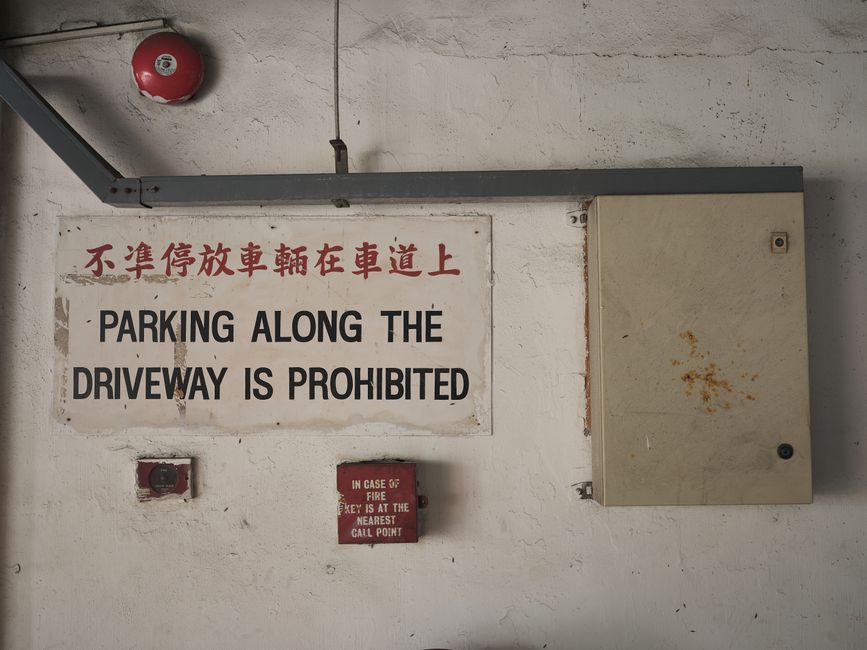
Loading Bay and Parking Rules on George Lane, Woodford: A Practical Guide for Smooth, Stress-Free Access
If you are planning a delivery, a house move, an office relocation, or even a quick furniture drop-off, the Loading Bay and Parking Rules on George Lane, Woodford can make or break the day. Get it right and everything feels calm, tidy, efficient. Get it wrong and you are suddenly dealing with blocked access, awkward manoeuvring, delays, and that sinking feeling when the driver has nowhere legal to stop. Not ideal, is it?
This guide breaks the topic down in plain English: what loading bays are for, how parking restrictions usually work around George Lane, why they matter, and how to plan around them without turning the move into a headache. You will also find a step-by-step approach, common mistakes, practical checklists, and a realistic example from a typical Woodford moving day.
For readers comparing moving support, it may also help to look at the wider context in our services overview and the advice in Redbridge Council permit rules for Woodford removals, especially if your stop involves more than a quick kerbside load.
Why Loading Bay and Parking Rules on George Lane, Woodford Matters
George Lane sits in a busy part of Woodford, and like many London high streets, the space available to stop a vehicle is limited. That sounds obvious, but it is the small detail that causes the biggest problems. A van that is technically "only there for five minutes" can still create a bottleneck if it is in the wrong place, at the wrong time, or facing the wrong direction.
The loading bay rules matter because they help separate short-term loading activity from general parking, and that distinction matters for safety, traffic flow, and avoiding enforcement issues. In practice, the rules are there to keep goods vehicles, removals vans, and delivery drivers from competing with shoppers, residents, and regular through-traffic. On a street like George Lane, that balance is everything.
There is also a real commercial side to it. If you are arranging a move, your crew's time is valuable. Every extra minute spent hunting for a legal space can add stress and cost. Even a small delay can knock a carefully planned schedule off course, especially if you are juggling lifts, narrow doorways, or multiple stops. Anyone who has stood by a pavement with a trolley in the rain waiting for a van to reappear will know the feeling. Bit of a grim one.
For heavier or awkward items, route planning is just as important as parking. If your move involves a larger vehicle, it can help to read best routes for heavy removals via Woodford High Road so you can think about the wider access picture, not just the final stopping point.
Expert summary: On George Lane, parking is not just a convenience issue. It is part of the moving plan. The best outcomes usually come from matching vehicle size, stopping time, and loading method to the street conditions before the van arrives.
How Loading Bay and Parking Rules on George Lane, Woodford Works
At a practical level, loading bays are spaces intended for active loading and unloading rather than long-stay parking. That means you are generally expected to be using the vehicle for a real movement of goods, not simply leaving it there while you disappear for an appointment or a coffee. The exact sign and restriction wording matters, so you should always read the signs on site rather than assuming a bay works a certain way because it looks similar to another one nearby.
Parking restrictions around George Lane can include time-controlled bays, limited waiting areas, resident-only zones nearby, or other short-stay controls. The important thing is to treat each bay or marked space as its own rule set. One bay may allow loading only at certain times. Another may require waiting for a specified period before enforcement becomes relevant. And yes, these details can change the whole plan.
For moving work, the best approach is usually to think in phases:
- Arrival: position the van safely and legally before any items are carried.
- Access: keep paths clear from the vehicle to the property entrance.
- Loading: move goods efficiently so the van is not occupying the space longer than necessary.
- Departure: leave the bay once the active loading is done, rather than lingering.
It sounds straightforward, but the real-world part is where people trip up. For example, if a sofa is still being wrapped on the pavement while the driver searches for a second trolley, the clock keeps moving. That is why many movers prep items indoors before the van even arrives. A little dull? Maybe. Very effective? Absolutely.
If you are packing a flat move or a smaller household load, the advice in packing tips for flats on Chingford Road, Woodford is a good companion piece, because tight access and parking issues usually go hand in hand.
Key Benefits and Practical Advantages
When you follow loading bay and parking rules properly, the benefits are not abstract. They show up in the smoothness of the day, the mood of the team, and how quickly the job gets finished.
- Less delay: the van is in place sooner, so loading can begin on time.
- Lower risk of fines or complaints: you are less likely to attract enforcement attention or upset nearby road users.
- Safer handling: fewer rushed lifts, fewer awkward carry distances, and fewer chances of damage.
- Better planning: the team can coordinate trolleys, equipment, and item sequencing more effectively.
- Cleaner customer experience: the day feels organised rather than improvised.
There is also a hidden benefit that people often overlook: confidence. Once you know there is a proper stopping plan, everything else feels less chaotic. The crew can focus on protecting floors, managing doors, and moving items carefully instead of wondering whether they are about to be asked to move the vehicle again. That matters more than it sounds.
For moves involving furniture, the right access setup also protects the items themselves. A shorter carry from van to property usually means less risk of scraping walls, catching corners, or wobbling on uneven paving. If you are moving larger household pieces, it is worth reading furniture removals in Woodford alongside this guide, because access and handling are deeply connected.
Who This Is For and When It Makes Sense
This topic is relevant to more people than you might first think. It is not only for removal companies. In fact, George Lane parking and loading considerations come up in a surprising number of everyday situations.
- Home movers: especially flats, terraced homes, and properties where the van cannot sit directly outside for long.
- Students: small moves still need proper stopping space, especially during busy weekend slots.
- Office movers: desks, IT equipment, and archive boxes all need a clear loading plan.
- Deliveries and collections: furniture shops, second-hand pickups, and appliance drop-offs all benefit from correct stopping.
- Same-day or urgent jobs: these often happen under time pressure, which makes access even more important.
It makes sense any time the vehicle is likely to need to stop near the property rather than in a private driveway or loading dock. And let's face it, in Woodford, that is quite often the case.
If you are moving under time pressure, you may also find urgent evictions and fast removals in Woodford useful, because tight deadlines leave very little room for parking mistakes.
Step-by-Step Guidance
Here is a simple way to plan around the loading bay and parking setup on George Lane without overcomplicating it.
- Check the exact address and access point. Know which entrance the van needs to use. Side gate? Main entrance? Rear access? The answer changes the parking plan.
- Look at the street signs before the move date. Do not rely on memory. Loading bays can differ by time of day and day of week.
- Measure vehicle size and turning needs. A smaller van may fit where a larger one cannot safely stop.
- Decide whether you need a loading bay or a short-stay space. The right option depends on how long you expect to be there and how many items are involved.
- Pre-stage items indoors. Keep boxes, wrapped furniture, and loose items ready so loading starts immediately.
- Assign one person to vehicle management. That may be the driver or another helper, but someone should always be watching timing and positioning.
- Keep walkways clear. A tidy path means fewer accidents and fewer delays. Simple, but easy to forget when boxes are everywhere.
- Load in the right order. Heavier and less fragile items first, then lighter boxes and awkward pieces.
- Leave promptly when loading is complete. Even if you think you might need "just one more minute," check whether the bay should be cleared first.
If you are unsure how the stop will affect the rest of the move, it can help to think through the whole day rather than the parking slot alone. That is why some people also review how to eliminate stress from your house moving journey before the date itself.
Expert Tips for Better Results
A few small choices can make the whole process noticeably easier. These are the sorts of details that come from being on the ground, not from a tidy checklist in an office.
Start with a realistic time window. If you think the load will take 20 minutes, plan for 30. That buffer can save you from panic if a lift gets stuck, someone is not ready, or a corridor is narrower than expected.
Use compact packing methods. The less you have to shuttle back and forth, the better. Efficient packing is not just about boxes. It is about how the move interacts with the street. For more on that side of the process, see maximizing packing efficiency for your next house move.
Keep the heaviest pieces closest to the exit. That way, the longest carry is reserved for the smaller, easier items. A sofa at the back of the hallway is a classic time sink. Funny how one object can boss the whole move around.
Protect the pavement and the property. Use blankets, sliders, and straps properly. Access issues become bigger when people are rushing and dragging items across hard surfaces.
Have a backup plan. If the loading bay is occupied, know your next legal option before you arrive. That can be a nearby short-stay space, a revised arrival time, or a smaller vehicle if access is especially tight.
For fragile or bulky specialist items, the rules of the road matter even more. If your move includes an instrument, have a look at piano removals in Woodford and the safe way to move your piano. That kind of load needs calm access, not improvisation.
Common Mistakes to Avoid
Most problems on George Lane are not caused by one huge error. They come from a few small assumptions stacking up.
- Assuming the bay is free for any purpose: loading bays are not general parking spaces.
- Ignoring the sign details: the exact wording matters more than the paint on the road.
- Leaving the van unattended too long: if the vehicle needs to be moved, nobody wants to discover that too late.
- Planning only for the goods, not the access: boxes are one thing; pavement width and kerb height are another.
- Underestimating local traffic: even a quick stop can become awkward if the street is busy at that time.
- Forgetting to brief helpers: if one person thinks the van is staying put and another thinks it is moving, chaos creeps in quickly.
There is also a more subtle mistake: treating parking as an afterthought. Truth be told, this is where a lot of stress starts. The move is packed, the crew is ready, and then the van is circling the block. Not exactly a dream start.
If you are clearing out clutter at the same time, the planning gets even more important. A good place to start is decluttering prior to moving for a fresh start, because fewer items usually means fewer parking headaches.
Tools, Resources and Recommendations
You do not need a complicated toolkit, but a sensible few items and habits can make a big difference.
- Printed moving plan: useful when the signal is patchy or everyone is rushing.
- Phone notes with timings: arrival window, loading sequence, helper contact details, and any access instructions.
- Protective moving equipment: blankets, straps, trolleys, gloves, and floor protection.
- Vehicle dimensions: useful if your bay or stopping space is tight.
- Property access notes: door codes, concierge details, lift booking times, and any restrictions.
For readers comparing support options, man and van services in Woodford can be a practical fit for smaller or medium-sized loads, while house removals in Woodford may suit larger, more involved moves. If you are only moving a handful of items, a removal van in Woodford may be the simplest option.
Storage can also help when access timing is awkward. For example, if your move-out and move-in windows do not line up neatly, storage in Woodford can reduce pressure on the day and let you avoid an unnecessarily rushed parking arrangement.
Law, Compliance, Standards, or Best Practice
Parking and loading arrangements on streets like George Lane should always be treated cautiously. In the UK, road signs, road markings, and local restrictions are there for a reason, and the safest approach is to follow the wording on site rather than make assumptions based on convenience. That applies whether you are stopping for a delivery, a removal, or a quick load of office equipment.
Best practice usually means:
- reading the sign fully before stopping;
- checking time limits and permitted activity;
- ensuring the vehicle is not causing avoidable obstruction;
- using clear communication between the driver and the loading team;
- keeping to the shortest practical loading period;
- placing safety before speed when pavement, traffic, or pedestrian flow is involved.
If you are organising a job for a business, it is also wise to keep a record of the agreed access arrangements. Not because everyone expects trouble, but because having the details written down prevents confusion later. Small thing, big relief.
For customers wanting to understand the company's approach to safe handling, it is sensible to review health and safety policy and insurance and safety. These pages help show how risk, equipment, and moving practices are handled in a responsible way.
Options, Methods, or Comparison Table
Not every move needs the same access strategy. The right method depends on the type of load, the timing, and how restrictive the street conditions are.
| Method | Best for | Pros | Trade-offs |
|---|---|---|---|
| Loading bay stop | Short, active loading with frequent item movement | Efficient, close access, suited to removals and deliveries | Time-limited, sign-sensitive, may be busy |
| Short-stay parking nearby | Smaller moves or lower-volume collections | Flexible if the bay is occupied | Often a longer carry distance |
| Pre-arranged private access | House moves, flats with allocated spaces, business premises | Most controlled and predictable | Requires planning and confirmation in advance |
| Staged move with storage | When timing does not align or access is tight | Reduces pressure, can split the job into parts | More coordination and a second handling step |
For many local jobs, the best option is not the one that looks most convenient on paper. It is the one that gives the crew a clear, legal, and safe stopping point without wasting time. That often means choosing the bay or access method that fits the move, not the other way around.
Case Study or Real-World Example
Here is a realistic example. A couple moving from a first-floor flat near George Lane had a modest load: a bed frame, mattress, wardrobe, ten boxes, and a couple of small appliances. At first, they assumed the van could just pull up outside for as long as needed. Simple, right? Well, not quite.
On the day, the street was busier than expected, and the most convenient stopping spot was already taken. Instead of forcing a bad choice, the driver used the pre-planned fallback space a short distance away. The couple had already packed and staged the boxes by the door, so once the van was positioned, loading moved quickly. No one had to stop and rearrange the room. No one was left standing around wondering where the tape went. A small mercy, really.
The key difference was preparation. They had checked access in advance, packed efficiently, and understood that the loading bay was part of the moving strategy, not just an afterthought. Because of that, the move stayed calm even with a slightly awkward parking situation.
That is exactly the sort of approach that helps on busier roads around Woodford, especially if you are also dealing with furniture dismantling, tight stairwells, or time-limited access. The parking rule is only one piece of the puzzle, but it is a pretty important piece.
Practical Checklist
Use this checklist before the van arrives. It keeps everyone on the same page and cuts down on last-minute faff.
- Confirm the exact pick-up and drop-off point.
- Check loading bay signs and time restrictions on George Lane.
- Decide whether the job needs a bay, short-stay parking, or private access.
- Measure the vehicle size against the street space available.
- Prepare boxes, furniture, and loose items in advance.
- Protect fragile items and wrap surfaces that could scrape.
- Assign one person to watch timing and communicate with the driver.
- Keep the walkway and entrance clear.
- Load heavier items first, then smaller items.
- Move the vehicle on promptly once loading is complete.
- Have a fallback plan if the closest legal space is occupied.
- Keep contact numbers handy for anyone helping with access.
If you are also sorting out waste, furniture disposal, or end-of-tenancy clearances, it may help to read who clears bulky waste in Woodford: removals vs council so you can separate what is being moved from what is being removed.
Conclusion
Loading bay and parking rules on George Lane, Woodford are not just technical details. They shape the pace, safety, and success of the whole move. When you understand the stopping point, the time limits, and the practical loading flow, the day becomes much easier to manage. Fewer delays. Fewer mistakes. Less stress all round.
The best results usually come from simple habits: read the sign, plan the access, pack efficiently, and keep the van movement as tidy as possible. That is it, really. Not glamorous, but very effective.
If your move includes heavy items, specialist handling, or a tight schedule, it is worth matching the vehicle and access plan carefully from the start. A bit of preparation now can save a lot of nerves later, and sometimes that is the difference between a frantic afternoon and a job that feels properly under control.
Get a free quote today and see how much you can save.
And if today's planning feels a little much, that is normal. Take it one step at a time, keep the access clear, and the rest has a good chance of falling into place.
Frequently Asked Questions
Can I park in a loading bay on George Lane, Woodford for a house move?
You may be able to use a loading bay if the activity fits the rules shown on the sign and the vehicle is actively loading or unloading. Always check the exact wording, time limits, and any conditions before stopping. The fact that you are moving house does not automatically override the restriction.
How long can a removals van usually stay in a loading bay?
That depends on the bay's rules. Some are strictly time-limited, while others are set up for active loading only. The safest approach is to treat the bay as a short operational stop, not a parking space. If the job is likely to take longer, plan a backup option.
What should I do if the loading bay is already occupied?
Have a fallback plan ready before you arrive. That might mean using another legal short-stay space, adjusting the arrival time, or sending in a smaller vehicle if one is available. The key is not to improvise in a way that blocks traffic or breaches the restrictions.
Do I need special permission for a moving van on George Lane?
Sometimes yes, sometimes no. It depends on the type of access, the length of stay, and the local restrictions in place at the time. For some moves, especially larger or more complex ones, advance planning is wise. If the job involves council-controlled parking, it is worth checking the permit side of things carefully.
What is the difference between loading and parking?
Loading means the vehicle is being used for active movement of goods. Parking usually means the vehicle is left standing without that active loading purpose. It sounds like a small difference, but in enforcement terms it can matter a lot.
Are loading bay rules different at weekends?
They can be. Some bays have different operating hours or different restrictions at weekends, while others stay the same. Never assume weekend rules are more relaxed just because traffic looks lighter. Check the sign on the day.
Is it better to use a smaller van for George Lane access?
Often, yes, if the road space is tight or stopping points are limited. A smaller van can be easier to position and may reduce the risk of awkward manoeuvring. That said, the right choice depends on load size, not just street width.
What if my move involves bulky furniture like sofas or wardrobes?
Bulky items need better access planning because they take longer to carry and often require two people or extra equipment. In those cases, the best outcome usually comes from keeping the van as close as legally and safely possible to the property. If you want more background on furniture handling, see the internal guidance on sofa care and storage and on relocating larger pieces safely.
Can a removal company help plan the parking for me?
Yes, a good removal team should help with the access strategy. They may advise on vehicle size, arrival timing, load sequence, and whether the loading bay or another stopping option is the best fit. That kind of help is genuinely useful, especially on a busier road.
What is the biggest mistake people make with parking on move day?
The biggest mistake is assuming there will be a convenient space available on arrival. On a busy street, that is a risky assumption. A slightly less convenient plan made in advance is usually far better than a perfect plan that only works if luck is on your side.
How can I reduce stress around parking and loading?
Prepare the items before the van arrives, read the restrictions early, and build in some spare time. Clear communication helps too. If everyone knows where the van will stop and who is doing what, the day feels much calmer. Tiny bit of planning, big difference.
Where can I find more help with local moving arrangements?
Useful next steps include looking at removals in Woodford, man with a van in Woodford, and the wider planning advice in eliminating stress from your house moving journey. Those pages are helpful if you want to turn parking rules into a practical plan rather than a last-minute scramble.